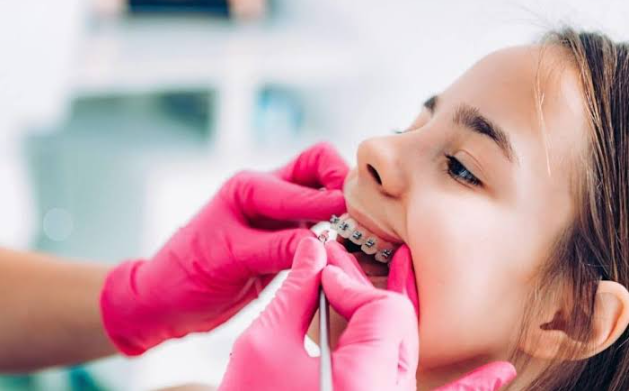
You may have been told you need braces or clear aligners, then heard something you did not expect. A tooth needs to come out. Your jaw needs more room. A wisdom tooth is blocking movement. That moment can feel frustrating, especially when you thought orthodontic treatment would be simple. It is common, and it does not mean your case is going off track. It means your care team, including a trusted oral surgeon in Des Plaines, is looking at the full picture.
Why Oral Surgeons Are Critical In Preparing For Orthodontic Treatments comes down to one thing. Teeth do not move well in a mouth that does not have the right foundation. An oral surgeon helps create that foundation by dealing with impacted teeth, jaw issues, bone support, and extractions that make safe tooth movement possible. If you are working with an oral surgeon for orthodontic treatment, the goal is not to add steps. The goal is to prevent bigger problems later.
Orthodontic treatment often depends on surgical preparation
Orthodontics is not only about straightening visible teeth. It is also about how your teeth fit together, how your jaw supports them, and whether hidden problems are sitting under the gums. The basics of orthodontic treatment may sound simple, but many cases involve crowding, impacted teeth, bite problems, or bone limits that braces alone cannot fix.
This is where an oral surgeon and implant dentist becomes part of the plan. If a tooth is trapped under the gums, an orthodontist may not be able to move it into place without surgical exposure. If your mouth is overcrowded, selective extractions may be the cleanest way to avoid damage to nearby teeth. If wisdom teeth are pressing against the back teeth, they can interfere with movement or cause relapse after treatment.
You might be thinking, why not just start braces and see what happens? Because tooth movement under the wrong conditions can lead to gum recession, root strain, pain, and unstable results. Fixing those issues later is usually harder and more expensive than preparing well at the start.
Jaw structure and impacted teeth can block progress
Some orthodontic problems are really jaw problems wearing a dental mask. A severe overbite, underbite, facial asymmetry, or joint pain can point to deeper structural issues. In those cases, an oral surgeon may evaluate whether the jaw itself needs treatment, especially when growth, injury, or joint disorders are involved. MedlinePlus offers useful background on jaw injuries and disorders, and that context helps explain why some patients need more than aligners.
Impacted canines are a good example. These teeth are supposed to guide your bite and support your smile, but they sometimes stay buried in the bone. If they are left alone, they can damage nearby roots or form cysts. An oral surgeon can uncover the tooth so the orthodontist can guide it into place. Without that step, the treatment plan may stall before it really begins.
There is also the issue of timing. In children and teens, early recognition can reduce the need for more invasive treatment later. In adults, delayed care can mean denser bone, less space, and slower movement. That does not mean adult treatment is a bad idea. It means planning matters more.
Coordinated care protects long term results
The strongest orthodontic outcomes usually come from coordination, not speed. Orthodontists focus on alignment and bite mechanics. Oral surgeons focus on the structures that allow that movement to happen safely. When both are involved early, treatment tends to be more precise.
Academic programs such as the orthodontic services at Boston University Dental reflect this team approach because complex cases rarely fit into one narrow box. If you have missing teeth, severe crowding, impacted teeth, or bone loss, an oral surgeon may also help plan for future implants or grafting so the final result is functional, not just straight.
This matters more than people expect. Teeth that look aligned but lack support can shift. A bite that looks better in photos can still cause uneven wear, headaches, or chewing problems. Orthodontic preparation with oral surgery is often what turns short term improvement into a stable result.
Common orthodontic issues and where oral surgery fits
| Issue | What can happen without surgical evaluation | How an oral surgeon helps |
|---|---|---|
| Severe crowding | Teeth may be pushed beyond healthy bone limits | Plans extractions to create safe space |
| Impacted canine or other tooth | Treatment can stall, nearby roots may be damaged | Exposes or removes the impacted tooth |
| Wisdom teeth interference | Back teeth may shift or relapse risk may rise | Removes third molars when they block movement |
| Jaw imbalance | Bite may remain unstable despite straight teeth | Evaluates need for corrective jaw surgery |
| Missing teeth or bone loss | Final spacing may not support long term function | Plans grafting or future implant placement |
Smart next steps before you start braces or aligners
Ask for a full diagnosis. Do not settle for a quick statement that you need braces. Ask whether there are impacted teeth, wisdom teeth concerns, bone limits, or jaw alignment issues. A proper workup often includes X rays or 3D imaging.
Get both specialists on the same plan. If an orthodontist recommends surgery, ask how the oral surgeon and orthodontist will coordinate timing. The sequence matters. Extractions, exposure of impacted teeth, grafting, and braces need to happen in the right order.
Think beyond straight teeth. Ask what the plan means for chewing, speech, long term stability, and future tooth replacement if any teeth are missing. The best care plan respects appearance, comfort, and function at the same time.
The right preparation makes orthodontic treatment safer and more predictable
If your treatment plan includes surgery, you are not dealing with a failure or a detour. You are getting a clearer path. The role of the oral surgeon is to remove barriers that braces or aligners cannot solve on their own, and that step often protects your time, your comfort, and your final result.
If you have been told you may need extractions, help with impacted teeth, or jaw evaluation before orthodontic care, schedule a consultation with an oral surgeon and implant dentist and get a plan built around the way your mouth actually works.