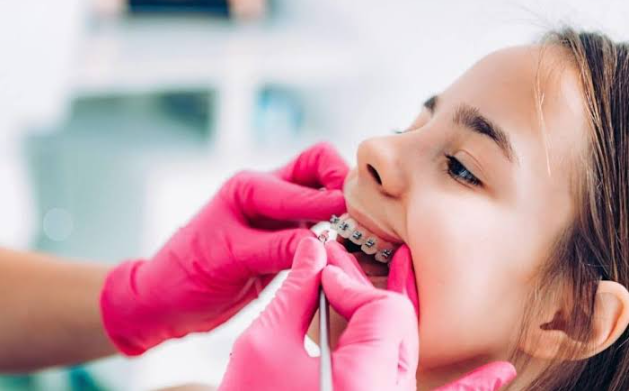
You may book a regular checkup expecting a cleaning and a quick look around, then hear your dentist mention worn enamel, uneven edges, stains, or a bite issue you had stopped noticing. That is often how cosmetic concerns first come up. They do not always begin with a request for whiter teeth or a straighter smile. They show up during routine care, when a family and cosmetic dentist providing dental care for families in Fountain Valley sees the small changes that affect both how your teeth look and how they function.
How family dentists identify cosmetic dental concerns during routine care often comes down to pattern recognition. A dentist is not only checking for cavities and gum disease. They are also watching for chips, discoloration, early erosion, old dental work that no longer blends well, gum unevenness, and signs that grinding or clenching is changing the shape of your teeth. These details can seem minor when you see yourself every day. In the dental chair, they stand out.
That matters because cosmetic issues are not always just cosmetic. A stain may point to enamel wear. A flattened front tooth may suggest grinding at night. A receding gumline can change your smile and increase sensitivity at the same time. A routine visit gives your dentist a chance to catch these concerns before they become harder or more expensive to treat.
Routine dental exams often reveal hidden smile concerns
During a standard exam, your dentist looks at tooth color, symmetry, spacing, gum shape, and how your teeth meet when you bite. They also compare what they see today with past visits, photos, and X rays when needed. That long view helps them notice subtle shifts, like one tooth darkening, a crown starting to stand out from nearby teeth, or edges becoming more translucent from enamel loss.
This is where cosmetic dental concerns during routine care often surface. You might come in focused on plaque buildup or a sore spot, while your dentist notices that your smile line has changed or that one side of your mouth is taking more pressure than the other. That kind of imbalance can lead to chipping, uneven wear, and changes in appearance that build slowly over time.
Tooth decay can also affect appearance long before it causes pain. White spots, shadowing, rough areas, and dark grooves may be early signs of trouble. The basics still matter. MedlinePlus explains how tooth decay develops, and catching it early can protect both the look and health of your teeth.
Cosmetic problems often start with everyday wear, habits, and oral health changes
Many people assume cosmetic problems are separate from oral health. In practice, they overlap all the time. Coffee, tea, tobacco, certain medications, and aging can change tooth color. Grinding can shorten teeth and create tiny cracks. Acid from diet or reflux can soften enamel and leave teeth looking dull, thin, or uneven. The American Dental Association outlines how dental erosion affects enamel, and those effects are often visible before they are painful.
You might have noticed one front tooth looks different in photos, or your teeth seem less smooth than they used to. That can feel frustrating because the change is real, but hard to name. A family dentist can connect the look of your teeth to the reason behind it. If discoloration is surface staining, whitening may help. If the tooth has internal damage or thinning enamel, the answer may be bonding, a veneer, or a protective plan first.
Gum health also shapes the appearance of your smile. Swelling, recession, and uneven gum contours can make teeth look too short, too long, or out of line. The CDC shares oral health tips for adults that support healthy gums and teeth, and those habits often improve cosmetic concerns at the same time.
Family and cosmetic dentist evaluations connect appearance with function
A good cosmetic assessment is not only about shade charts and straight lines. It includes how you chew, speak, close your mouth, and clean around existing restorations. If a filling is stained and rough, replacing it may improve appearance and reduce plaque buildup. If your front teeth are chipping from a bite issue, smoothing the edges alone will not solve the problem. The cosmetic fix has to match the functional cause.
This is why a family and cosmetic dentist may bring up options you were not expecting. They may recommend a night guard before bonding. They may suggest gum treatment before whitening. They may tell you to wait on veneers if dehydration, inflammation, or untreated decay is distorting how your smile really looks. That can feel slower than you hoped for, but it protects your result and your budget.
Professional evaluation gives clearer answers than self diagnosis
| Concern | What you may notice at home | What a dentist checks during routine care | Possible next step |
| Staining | Yellowing, darker spots, uneven color in photos | Surface stains versus internal discoloration, enamel condition, old restorations | Cleaning, whitening, bonding, replacement of visible dental work |
| Chips and wear | Rough edges, shorter teeth, small cracks | Bite pressure, grinding patterns, enamel thickness, fracture risk | Smoothing, bonding, night guard, bite adjustment |
| Gum changes | Teeth look longer or uneven, sensitivity near the gumline | Recession, inflammation, brushing habits, periodontal health | Gum care plan, desensitizing treatment, cosmetic reshaping in some cases |
| Old dental work | One tooth looks darker, bulky, or mismatched | Margin wear, staining, fit, color mismatch, hidden decay | Polishing, repair, or replacement |
At home, it is easy to assume a cosmetic issue is simple or purely visual. In the chair, the picture gets clearer. A stain may be harmless, or it may sit over early decay. A chip may be cosmetic, or it may be the sign of a bite problem that keeps repeating. That is why routine exams are one of the best times to catch concerns early, when treatment tends to be more conservative.
Small steps help you spot and address smile changes early
Watch for changes in photos and daily habits. If one tooth starts to look darker, edges appear uneven, or your smile looks different from six months ago, mention it. Bring up clenching, jaw soreness, sensitivity, or whitening products you are using. Those details help your dentist connect appearance with cause.
Keep routine visits even when nothing hurts. Many cosmetic changes develop slowly and painlessly. Regular exams give your dentist a baseline, which makes subtle changes easier to catch. This is one of the simplest ways cosmetic issues in routine dental visits get identified before they turn into bigger repairs.
Ask what is cosmetic, what is structural, and what should come first. If your dentist points out a concern, ask whether it is affecting function, whether it may worsen, and which treatment order makes sense. That keeps you from spending money on a fix that does not last.
Early cosmetic insight can protect your smile and your budget
Most people do not miss cosmetic dental changes because they are careless. They miss them because change is gradual, life is busy, and you see your own face every day. Routine dental care creates a different view. It gives your dentist a chance to spot wear, discoloration, gum changes, and mismatched dental work before those issues become more visible or more costly.
If your dentist raises a cosmetic concern at a checkup, that is not a sales pitch by default. Often, it is preventive care with a visual component. The earlier you understand what is changing and why, the more options you usually have. If you have noticed something feels off about your smile, schedule a routine visit and ask for a closer look from a family and cosmetic dentist.