You look in the mirror, your teen walks past, and somehow you are both thinking about teeth. Maybe it is crowding, stains from coffee or sports drinks, a chipped front tooth, or a smile that never feels relaxed in photos. For parents, there is usually a second layer of stress. You are not only thinking about what looks better. You are thinking about cost, timing, comfort, and whether a treatment makes sense for a growing teen and a busy adult at the same time. Talking with a dentist in Kahala, Honolulu can help you decide what fits both needs.
That overlap is real. Many smile treatments are not just for one age group, and the best options often balance appearance with function. The short version is simple. Several cosmetic and general dental services can help both parents and teens feel better about their smiles, and the right choice depends on enamel health, bite alignment, habits, and goals.
Cosmetic dental treatments often solve everyday family concerns
Most families do not come in asking for a dramatic makeover. They come in because one person has a chipped tooth from practice, another has yellowing that whitening toothpaste never touched, and someone else is hiding their smile in every school and holiday photo. That is where family cosmetic dentistry services start to make sense. They meet real problems, not vanity alone.
Teeth whitening is one of the most common examples. Parents often want to lift years of staining from coffee, tea, or red wine. Teens may deal with discoloration from braces, inconsistent brushing, or certain foods and drinks. Professional whitening tends to work better than store bought kits because the products are stronger, the fit is better, and sensitivity can be managed more carefully.
Bonding is another strong option for both age groups. If your teen chips a tooth during a game, or you have a small gap or worn edge that bothers you every time you speak, bonding can reshape the tooth in a single visit. It is usually less invasive than other cosmetic fixes, which matters when you want a practical answer without a long treatment plan.
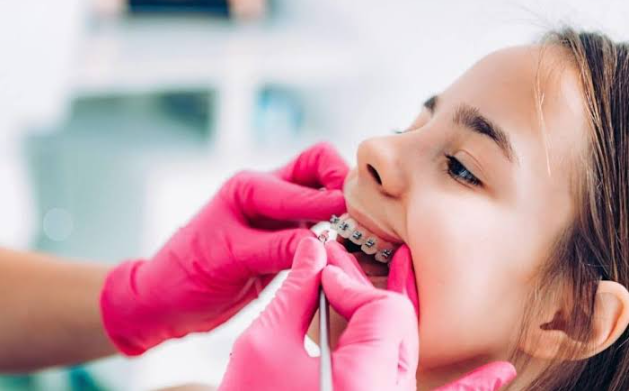
For families dealing with alignment, orthodontic care often becomes the shared topic at the dinner table. Teens may need braces or clear aligners because their teeth are still settling into place. Parents may finally decide to correct crowding they ignored for years. Orthodontic treatment can improve appearance, but it also helps with bite issues, cleaning access, and long term wear.
General and cosmetic dentist services can overlap in useful ways
Some treatments sit in the space between health and appearance, which is often where the best value lives. Dental sealants are not usually called cosmetic, but they protect chewing surfaces from decay, especially in teens who are still perfecting home care. They also help preserve the natural look and structure of teeth. The CDC explains how dental sealants help prevent cavities, and that prevention can spare both parents and teens from larger repairs later.
Veneers and clear aligners get more attention, but simple contouring, bonding, and whitening often fit family life better. A parent with minor edge wear and a teen with one slightly uneven front tooth may both benefit from small cosmetic changes instead of major treatment. Not every smile concern needs the biggest solution.
That matters financially too. If more than one person in the home wants treatment, you are probably comparing what improves confidence now versus what prevents bigger costs later. A cracked tooth that is ignored can turn into a larger restoration. A bite problem that makes brushing harder can add up to fillings, gum irritation, and frustration. The causes and treatment of tooth discoloration also vary more than many people expect, which is why an exam comes before any whitening plan.
Six smile improvement services can fit both teens and adults
1. Professional teeth whitening. Best for healthy teeth with surface or mild internal stains. Good for parents and older teens when enamel and sensitivity are evaluated first.
2. Dental bonding. Works well for chips, small gaps, uneven edges, and minor shape concerns. It is fast, conservative, and often budget friendly.
3. Clear aligners or braces. A strong choice for crowding, spacing, and bite issues. This is one of the most practical cosmetic dentistry services because it improves both appearance and function.
4. Enamel contouring. Small adjustments can smooth rough edges or slightly uneven teeth. It is subtle, but the visual change can be enough to make a smile feel more balanced.
5. Veneers in select cases. Usually better for adults, but older teens with fully developed teeth may be candidates in limited situations. They can address shape, color, and symmetry when simpler options will not.
6. Tooth colored restorations. White fillings or cosmetic repair after decay or damage can restore a natural look. This is where a general and cosmetic dentist often helps the whole family in a very practical way.
See also: How General Dentistry Encourages Better Home Hygiene Habits
Comparing common cosmetic dental options for parents and teens
| Service | Best For | Teen Friendly | Parent Friendly | Key Consideration |
|---|---|---|---|---|
| Professional Whitening | Stains and dull color | Yes, if age and enamel are appropriate | Yes | Sensitivity and cause of discoloration should be checked first |
| Dental Bonding | Chips, gaps, uneven edges | Yes | Yes | Can stain over time and may need touch ups |
| Clear Aligners or Braces | Crowding, spacing, bite issues | Yes | Yes | Requires consistent wear and follow up |
| Veneers | Shape, color, multiple cosmetic concerns | Sometimes, in limited cases | Yes | More permanent and usually higher cost |
| Tooth Colored Restorations | Decay or visible repair | Yes | Yes | Blends health needs with appearance goals |
Small next steps make family dental decisions easier
Start with the reason behind the concern. A whiter smile and a healthier smile are not always the same thing. If the issue is staining, whitening may help. If the issue is enamel defects, grinding, or alignment, another treatment will make more sense.
Ask which options preserve the most natural tooth structure. This question helps both parents and teens avoid doing more than necessary. Bonding, contouring, and aligners often solve visible concerns with less alteration than larger cosmetic work.
Think in timelines, not just price tags. A lower upfront cost is not always the better value if the fix does not last or does not address the real problem. Ask what needs maintenance, what may need replacement, and what supports long term oral health.
If you and your teen are both thinking about smile changes, you are not being shallow or dramatic. You are paying attention to something that affects confidence, comfort, and daily life. The right smile enhancement treatments can be simple, practical, and tailored to each person’s age and needs. If you are ready to explore what fits your family, schedule a visit with a general and cosmetic dentist and get a plan that works in real life.