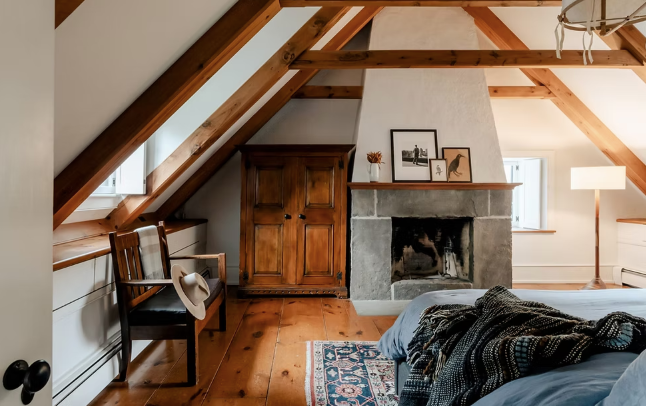
Attic conversions in modern homes demand precise structural planning, airtight insulation, and compliant layouts. The approach balances daylight, ventilation, and flexible zoning with neutral, durable finishes. Skylights and transoms maximize light while preserving headroom; discreet built-ins maintain surface clarity. Smart storage and modular partitions offer reversible options for future needs. Budget-conscious trims and durable materials create a cohesive sanctuary that still respects existing aesthetics. The next steps reveal how each choice shapes spatial clarity and function.
What Makes an Attic a Livable Extra Space
An attic becomes a livable extra space when its design addresses structure, comfort, and usability without compromising the home’s primary functions.
The space requires robust framing, precise insulation, and drain-safe utilities.
Insulation efficiency minimizes energy loss, while zoning compliance ensures permitted configurations.
Spatial zoning, thermal envelopes, and adaptive egress design align with aesthetics and function, supporting flexible, freedom-driven use.
Brighten and Open Up: Lighting, Ventilation, and Skylight Tweaks
Brightening and opening the attic involves a precise balance of light, air, and form: thoughtful placement of daylight via skylights, optimized ventilation to manage moisture and temperature, and strategic lighting layers that complement existing architecture.
Lighting ideas guide zones and color, while ventilation tweaks regulate comfort and acoustics, creating a breathable, flexible space suited to modern living.
Smart Storage and Layout Ideas for Small Attic Footprints
Smart storage strategies and efficient layouts maximize limited attic footprints without compromising flow or light. The approach emphasizes storage optimization through discreet built-ins, pullouts, and vertical gains, preserving surface clarity.
Layout zoning establishes functional zones (sleep, work, play) aligned with egress and natural daylight.
Finite footprints demand modular furniture, reversible partitions, and uniform materials to sustain visual coherence and freedom.
Budget-Friendly Finishes and Projects That Transform Niches Into Rooms
Transforming underutilized niches into usable rooms can be achieved through a disciplined selection of budget-friendly finishes and targeted carpentry.
The approach prioritizes durable, light-absorbing surfaces, modular partitions, and cost-conscious trim.
Finishes projects emphasize simplicity, texture, and color restraint to define niches rooms.
Precision installation minimizes waste, while flexible detailing accommodates evolving needs and preserves architectural clarity and personal freedom.
Frequently Asked Questions
How Do Building Codes Affect Attic Conversions in My Area?
Building codes and permit requirements vary locally, shaping attic conversion feasibility. The analysis notes compliance with structural, egress, and fire safety standards, and emphasizes securing permits before construction to avoid fines, delays, and required retrofits in specific jurisdictions.
See also: Biotechnology and the Future of Medicine
What Is the Typical Timeline for a Full Attic Renovation?
A typical timeline spans weeks to several months, depending on scope, permits, and inspections; planning, demolition, framing, mechanicals, and finishes proceed in sequence. Attic ventilation, roof venting considerations influence pacing, sequencing, and overall project duration for efficiency and safety.
Are Permits Required for Structural Changes and Electrical Work?
Permits needed: yes, for most structural changes and electrical work. Structural changes generally require review, code compliance, and inspections; electrical modifications likewise demand permits. The approach balances technical rigor with aesthetic sensitivity, appealing to homeowners seeking freedom and responsible design.
How Can I Insulate an Attic Without Losing Headroom?
Insulation strategies prioritize low-profile methods: spray foam applied to rafter bays with careful ventilation, blown-in cellulose between joists, and rigid board alternatives. Headroom preservation is achieved via shallow assemblies, compact baffles, and soffit-to-ridge continuum for aesthetic freedom.
What Financing Options Minimize Upfront Renovation Costs?
Currently, financing options that minimize upfront renovation costs include Option A and Option B, presenting structured loans and grants modeled for flexibility; both avenues emphasize low initial outlay, accessible timelines, and aesthetic, technically sound project management for freedom-seeking homeowners.
Conclusion
A attic conversion, when executed with precision, yields a livable extension that harmonizes structure and ambience. Careful insulation and drain-safe utilities ensure durable performance, while skylights and layered lighting cultivate daylighting and mood. Flexible partitions and built-ins preserve clean surfaces, enhancing perceived space. Budget-conscious finishes in durable, light-absorbing palettes unify rooms and minimize clutter. In such projects, attention to detail keeps aesthetics aligned with function, and the result is a space that pulls its weight and then some. It’s a well-oiled machine.