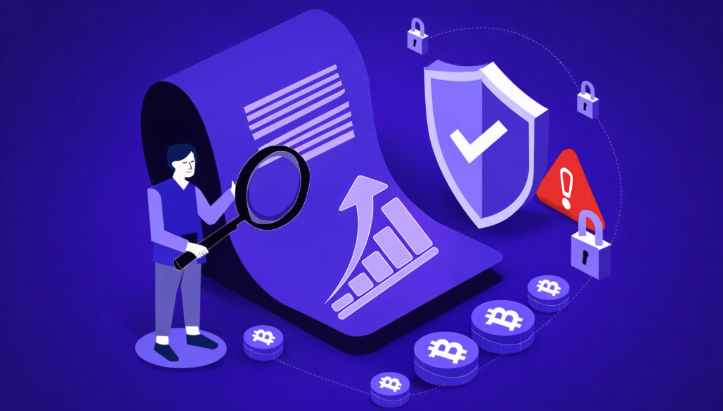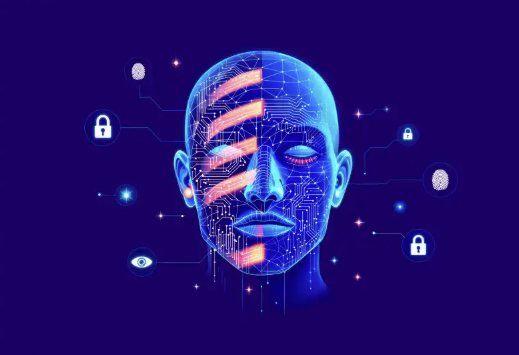
Blockchain technology presents a pivotal shift in the realm of digital identity systems. Its decentralized framework allows individuals to manage their personal information autonomously. This transformation enhances security and privacy, as traditional vulnerabilities associated with centralized systems diminish. However, the integration of blockchain in identity management is not without challenges. Understanding these complexities is essential for grasping the future landscape of digital identity. What implications might arise as these systems evolve?
The Basics of Blockchain and Digital Identity
Blockchain technology serves as a foundational framework for enhancing digital identity systems.
By enabling decentralized identity solutions, it allows individuals to maintain control over their personal information. This approach facilitates efficient identity verification processes without relying on centralized authorities, thereby promoting user autonomy.
As a result, blockchain empowers individuals to safeguard their privacy while ensuring trust and authenticity in digital interactions.
How Blockchain Enhances Security and Privacy
Decentralized identity solutions inherently enhance security and privacy by leveraging the immutable characteristics of distributed ledger technology.
This framework facilitates secure transactions through encrypted data storage, ensuring that personal information remains confidential.
Moreover, decentralized authentication eliminates single points of failure, reducing vulnerability to breaches.
Ultimately, these advancements empower users by granting them greater control over their digital identities, fostering a more secure online environment.
Challenges in Implementing Blockchain for Identity Management
Implementing blockchain technology for identity management presents a series of significant challenges that must be addressed to ensure its effectiveness.
Scalability issues hinder network performance, while regulatory challenges complicate compliance with existing laws.
Furthermore, user adoption remains low due to unfamiliarity and perceived complexity.
Interoperability concerns also arise, as different blockchain systems struggle to communicate, limiting the seamless exchange of identity information across platforms.
See also: newsmagazineweekly
Future Trends: the Evolution of Digital Identity With Blockchain
As organizations increasingly recognize the potential of integrating blockchain technology into digital identity systems, a transformative evolution in identity management is anticipated.
This shift towards decentralized identity frameworks will enhance user empowerment, allowing individuals to control their personal information.
Consequently, privacy, security, and trust will be significantly strengthened, fostering a more inclusive digital landscape that prioritizes individual autonomy and self-sovereignty in identity verification processes.
Conclusion
In summary, the integration of blockchain technology into digital identity systems heralds a transformative shift towards a more empowered and secure online presence. By offering individuals the reins of their personal information, this innovation gently nudges aside traditional centralized frameworks, fostering an environment rich in privacy and trust. While navigating the complexities of implementation remains a delicate dance, the promising horizon suggests a future where digital identity thrives, effortlessly blending security with user autonomy.